

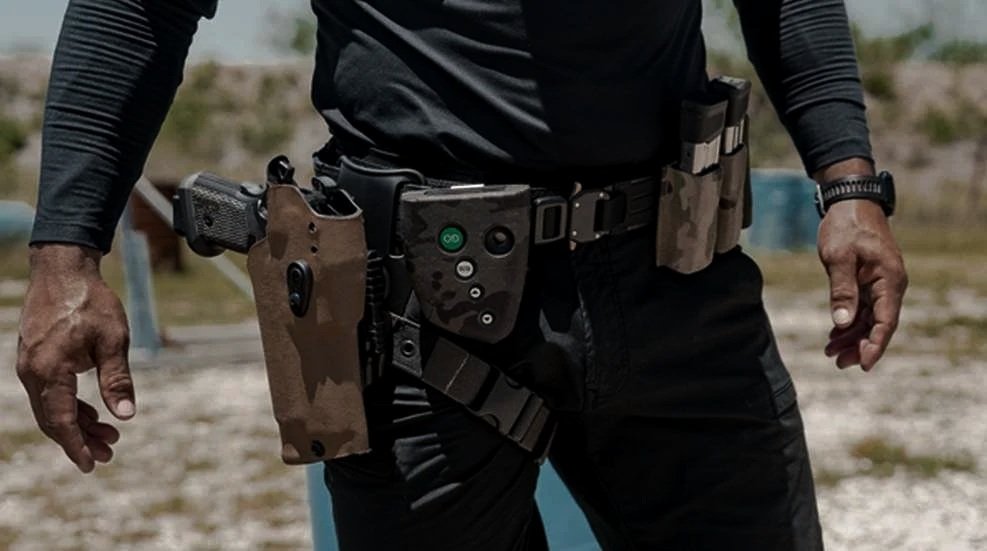
course mandatory guns & gear
guns & mags
1
Please bring a quality, fully functional, and properly maintained 9mm, .45 ACP, or .40 caliber semi-automatic pistol
Please bring at least 3 double‑stack magazines, or 4 single‑stack magazines, along with proper ammo pouches for carrying them.
semi-auto pistol examples — medium to full sizes: Glocks 19/17/45/48, Walther PDP, Smith & Wesson M&P, CZ75, 1911s, 2011s, Sig sauer P365XL/P226, and similar models — however, Sig Sauer P320 pistols are strictly forbidden in any Norsk Armory course, under any circumstances or range policy.
holsters & mag-pouches
2
OWB, IWB & appendix holsters or battle/duty belt rigs only – no shoulder holsters, fanny packs, sling bags, purses or cross draw holsters of any kind.
Whether leather or Kydex, your holster should be built specifically for your exact model of firearm. Favorites include Tenicor, Safariland, Blade-Tech, Galco, DeSantis, and higher-end custom leather makers such as TTGun Leather and Milt Sparks (special-order options). Do not wear a Blackhawk Serpa or any similar index-finger tab design — the retention release sits too close to the trigger. Holsters must be rigid and remain open when the firearm is not seated; avoid collapsible designs. Nylon holsters are not advised.
Please bring a minimum of two (2) magazine pouches for double‑stack magazines (Glocks/Staccatos) and three (3) for single‑stack magazines (1911s).
mag-pouches must be rigid and remain open when not in use so magazines can be reloaded quickly and safely. “this one far too many students miss.”
gear & apparel
3
always Wear proper shooting glasses and reliable hearing protection. electronic hearing protection is highly advised.
red dot sights and weapon mounted flash lights are optional — keep in mind additional holster requirements. however, a handheld tactical light is mandatory for level 3 low-light course.
always wear a stiff rigid belt that will keep your holster and magazine pouches in place during movement and long training sessions.
Wear nothing on your belt or your person that you are not trained to use or not attending the course to learn.
cargo pants or jeans with belt loops are highly advised. if you wear shorts it is at your “own risk” of burning brass and scraping knees. “never wear spandex, yoga or sweat pants, you will be asked to leave.”
always Wear comfortable, outdoor range weather-appropriate or indoor range clothing that covers the torso and arms—think a close-fitting T‑shirt or long sleeve to prevent hot brass from contacting bare skin—and sturdy, closed-toe shoes/boots with good traction; avoid loose, flowing garments and “do not” wear open-toed footwear, low-cut tops, and dangling jewelry that can snag or interfere with equipment.
Opt for breathable, moisture-wicking fabrics in hotter weather and layered, non-bulky outerwear in cold conditions so you maintain mobility and a stable shooting stance. also leave rubber-synthetic, slippery gloves at home unless instructor required, and choose layers so you can stay comfortable in variable indoor range temperatures.
Keep headwear simple and secure (a baseball cap is ideal to deflect brass) and remove hats with large brims or floppy visors that can obstruct your view.
If you wear eyeglasses, choose safety-rated lenses or bring ANSI-compliant shooting glasses, and use earmuffs or earplugs for hearing protection—make sure clothing allows easy access to holsters and magazine pouches without bunching or restricting movement.
optional but nice to have: fix-it-stick tool kits, range bags for everything
ammo
4
level 1: 250-300 rounds
level 2: 350-450 rounds
level 3: 300-400 rounds
if you can, always bring more, shooting is fun and don’t forget your magazine loaders.
shoot quality FMJ ammunition — hollow points or other defensive rounds aren’t necessary unless you’re specifically testing them and can afford it.
Please arrive to class with all of your magazines already loaded and any red‑dot sights sighted in and ready to shoot.